What Is a Crushing & Screening Plant?
A crushing and screening plant processes raw stone, quarry rock, demolition material or mineral feed by reducing particle size and separating the material into specified fractions.
How Does the Process Work?
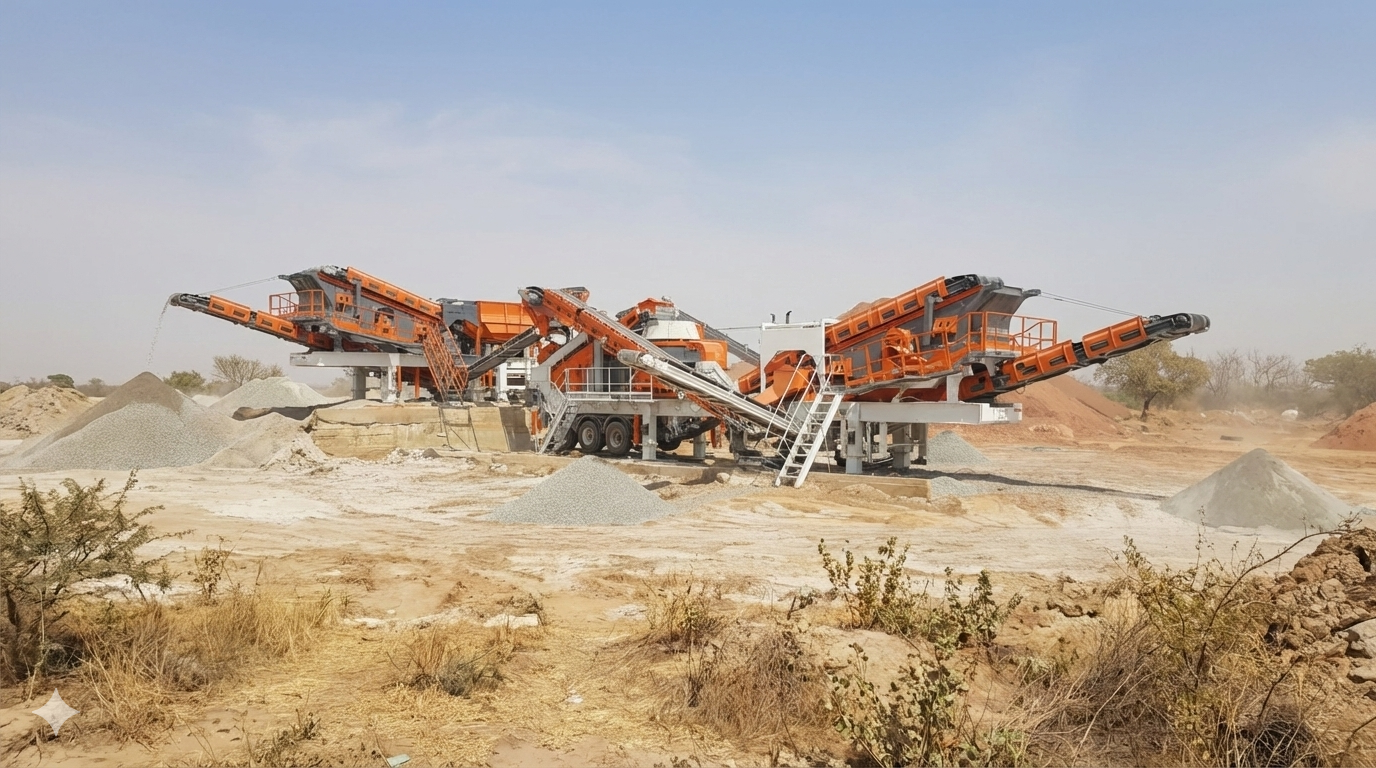
Material first enters a feeder. A primary crusher reduces large pieces, after which secondary or tertiary crushers may perform further reduction or shaping. Screens separate the material into required sizes, while conveyors connect the process stages and transport finished products to stockpiles.
Crusher Types and Their Roles
- Jaw Crusher: primary compression crushing for large and hard feed.
- Primary / Secondary Impact Crusher: impact crushing where material properties and product requirements suit HSI operation.
- Cone Crusher: secondary/tertiary compression crushing for hard and abrasive rock.
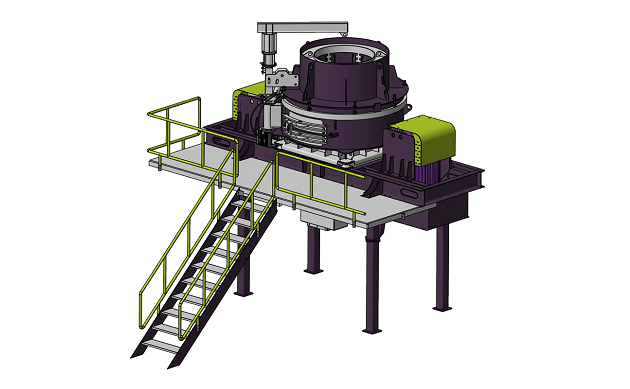
- VSI Crusher: tertiary/final-stage shaping and fine aggregate production.
Stationary and Mobile Plants
Stationary plants are typically chosen for long-duration projects and larger fixed-site process layouts. Mobile and tracked systems can be moved between work areas and may reduce permanent site infrastructure requirements.
Applications
Applications include road construction, concrete aggregate, quarrying, mining, infrastructure, recycling and fill/base-material production.
Advantages of a Correctly Engineered Plant
A properly balanced flowsheet helps maintain stable crusher loading, controlled product grading, efficient recirculation and easier maintenance planning.