What Is a Crushing Plant and How Does It Work?
A crushing plant is not a single crusher. It is a process line that receives raw stone or rock, reduces its size and classifies the resulting material into usable fractions.
Main Process Stages
- Feeding: a hopper and feeder regulate raw material entering the plant.
- Primary crushing: large feed is reduced by a jaw, impact or other primary crusher.
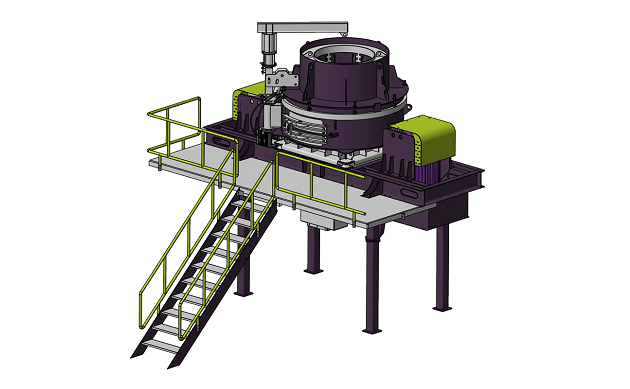
- Secondary / tertiary crushing: additional crusher stages reduce or shape the material further where required.
- Screening: vibrating screens separate the material into product sizes.
- Conveying: belts transfer material between machines and to stockpiles.
- Optional washing: selected products may be washed where the process requires removal of fines or clay.
Stationary or Mobile?
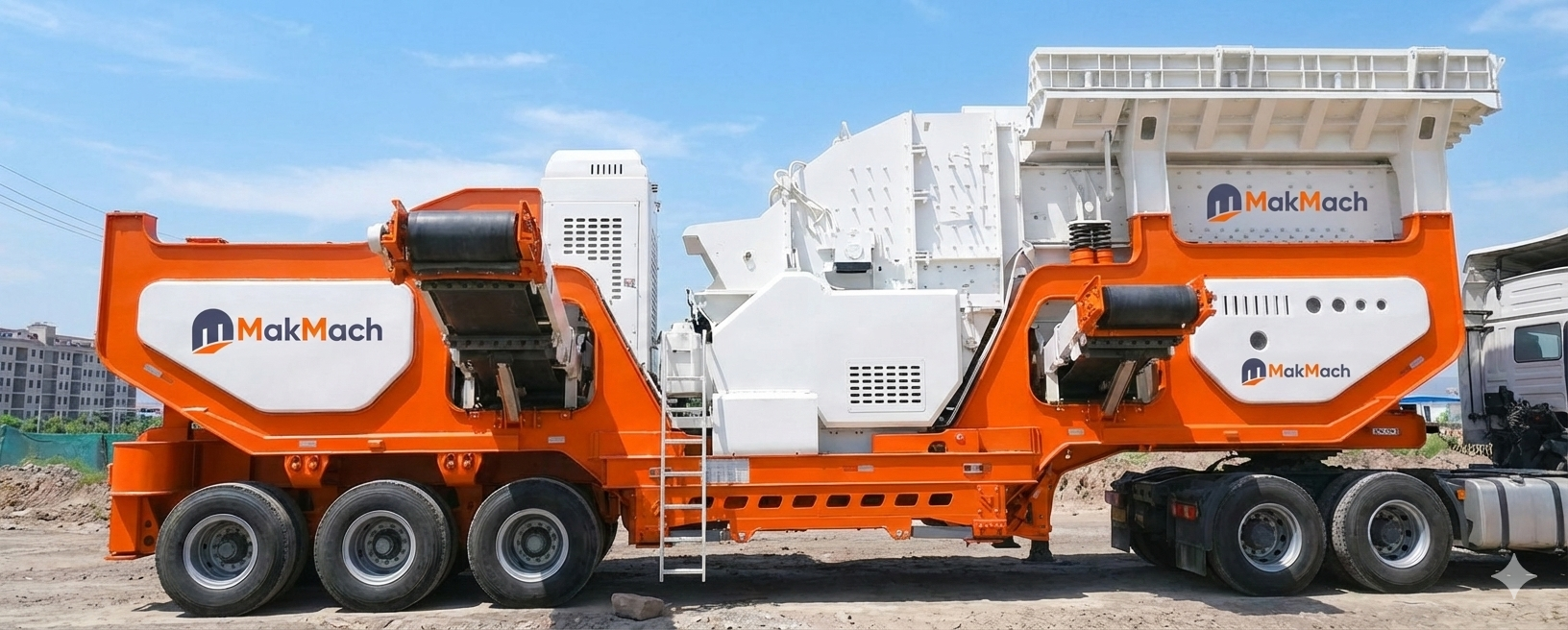
Stationary plants are generally selected for long-term fixed-site production and can support complex flowsheets and large storage areas. Mobile or tracked plants are useful where the processing location changes or where relocation flexibility is important.
Which Crusher Should Be Used?
Crusher selection depends on feed size, hardness, abrasiveness, required capacity, reduction ratio and target product. A complete flowsheet should be designed around the whole process rather than selecting each machine independently.